How to Design a Studio Apartment
Designing a studio apartment is one of the most common questions faced by owners of small homes. A successful studio layout requires maximum functionality and careful attention to every detail. Unlike larger properties, where mistakes can sometimes be compensated for by extra space, every centimetre matters here.
Here are several principles for designing a small studio in a way that is both comfortable and attractive.
Here are several principles for designing a small studio in a way that is both comfortable and attractive.
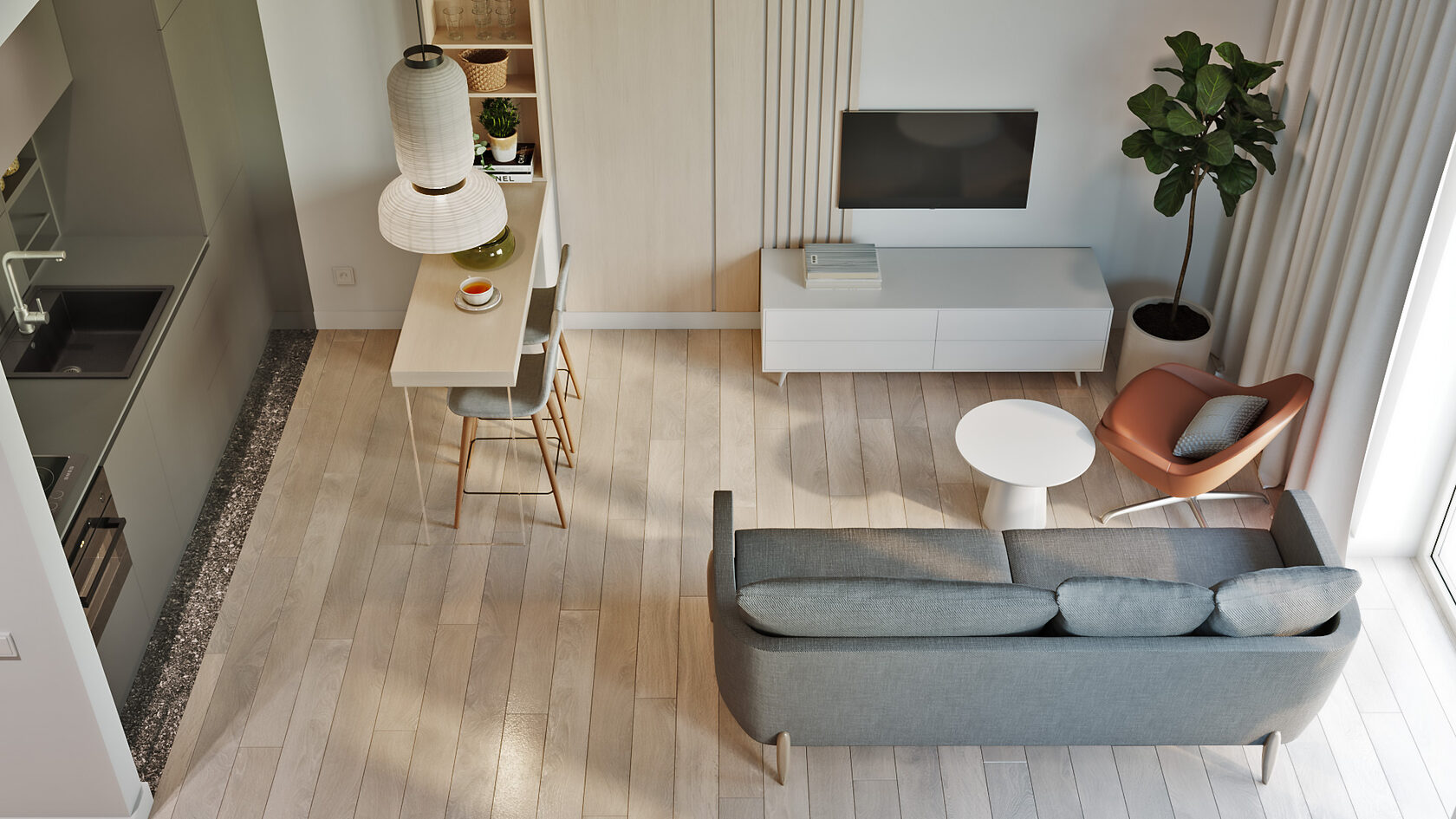
Common Mistakes in a Studio Apartment
One common mistake is to fill the space with many small pieces of furniture instead of thinking in terms of integrated storage and a simpler overall composition. In small spaces, fewer but better-designed elements often create a much stronger sense of spaciousness.
Think About Everyday Uses: The Key to Designing a Studio
Designing a studio means considering every everyday scenario: resting, working, reading, watching television and eating. Zoning can be created through lighting, wall colours and the materials used on floors and ceilings. It is essential to plan the locations of switches, sockets and light fixtures from the beginning. This level of preparation makes the space more practical and comfortable to live in.
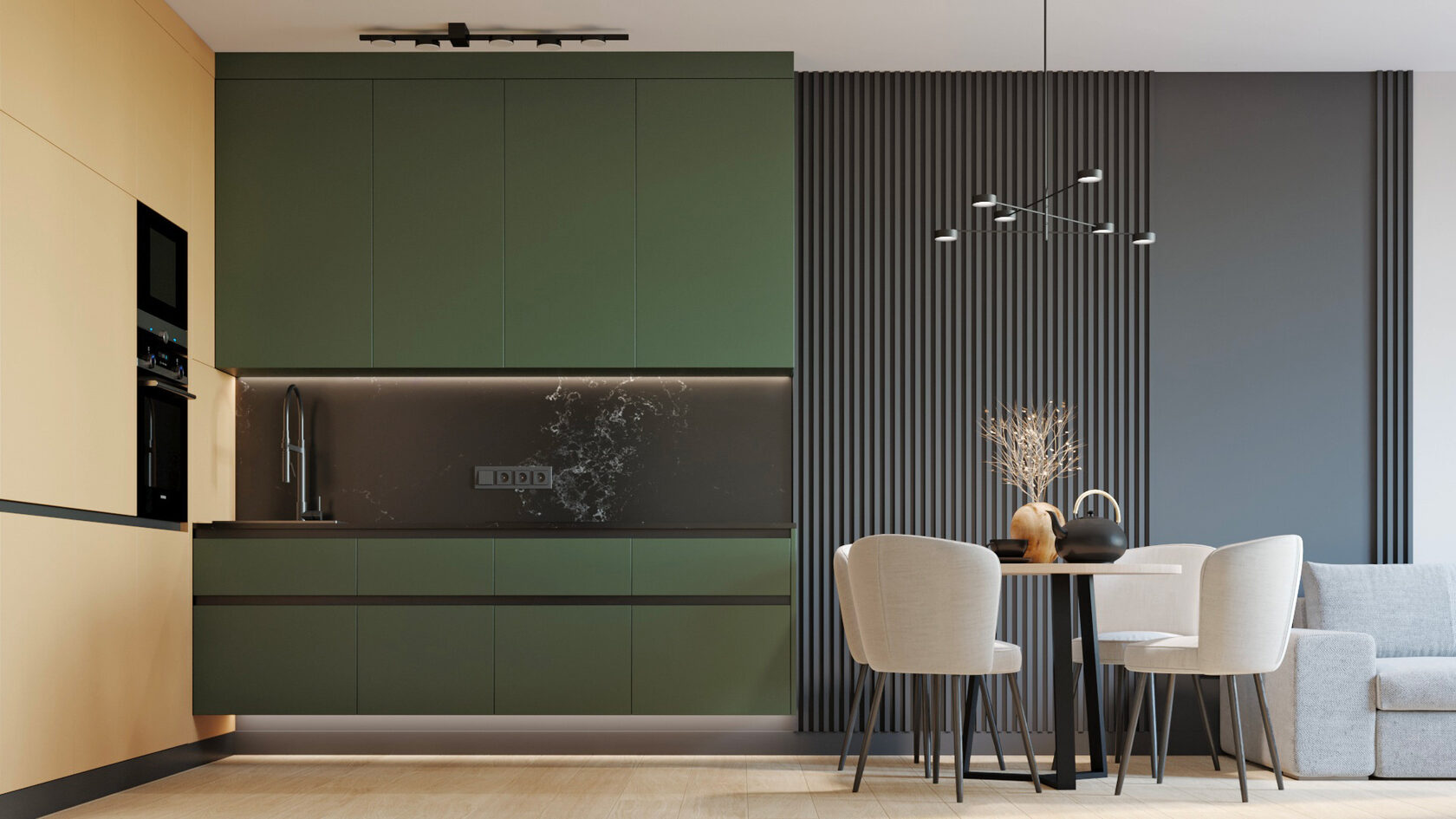
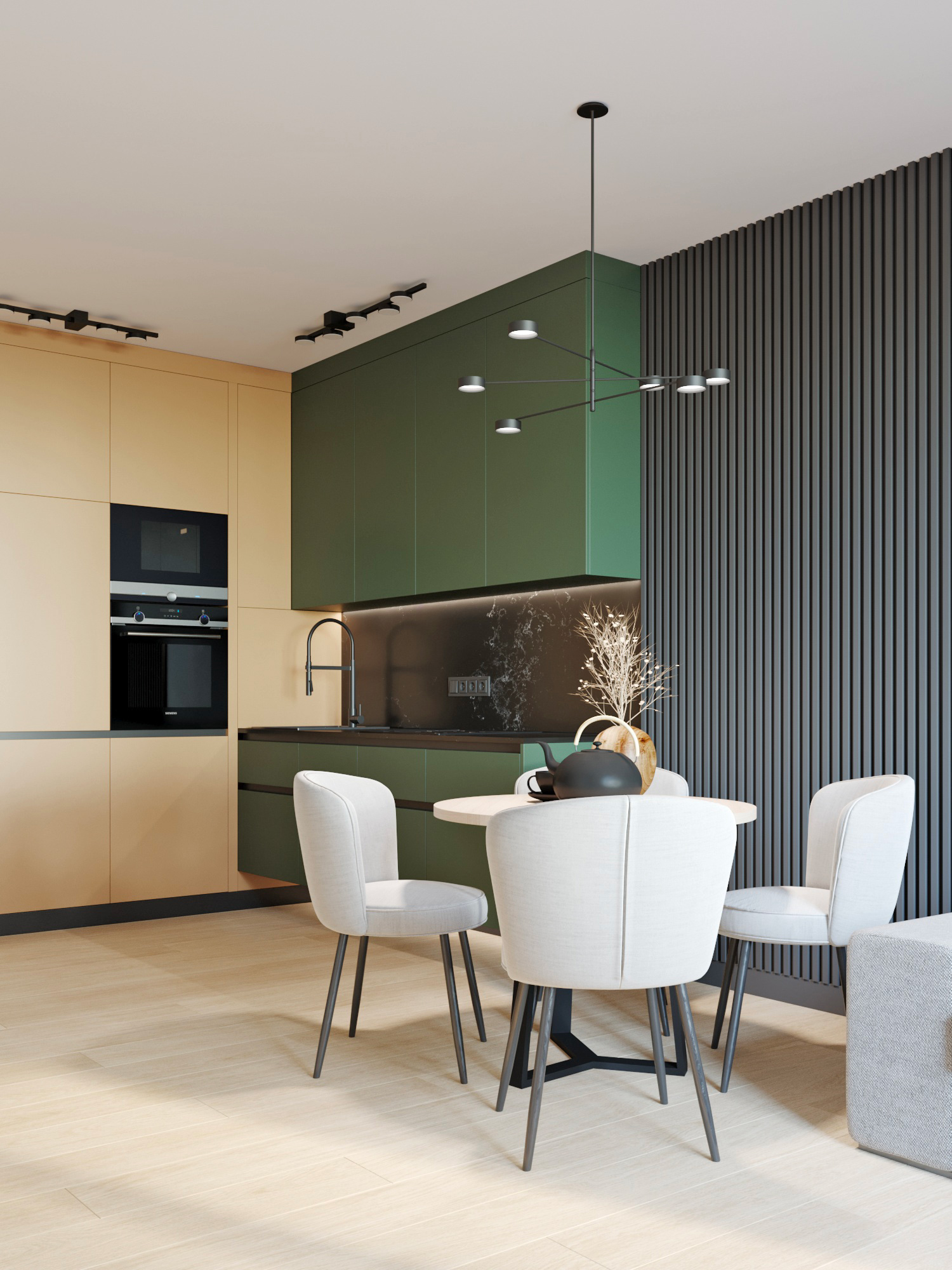
Make a Studio Feel Larger Without Moving the Walls
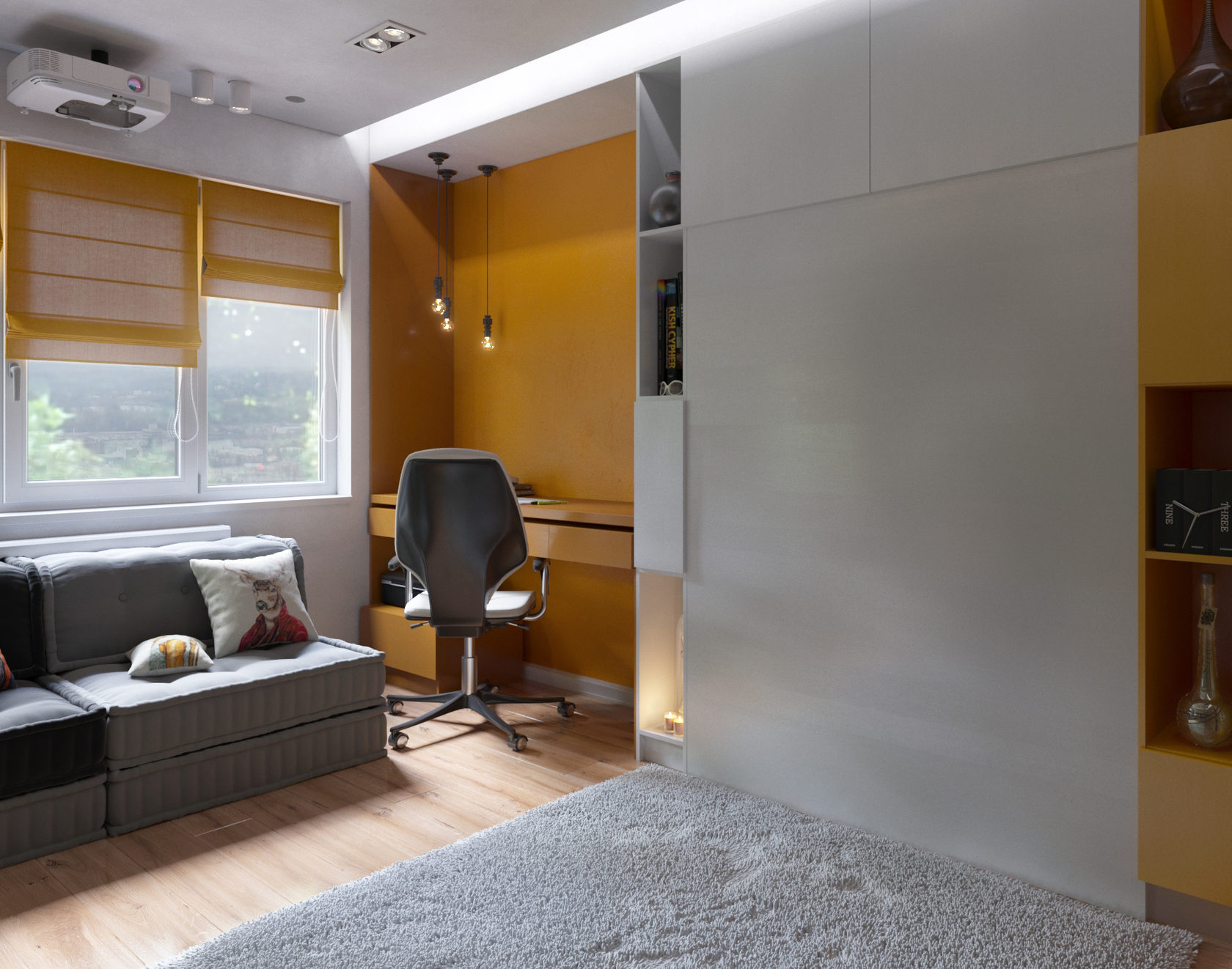
In a studio, the feeling of space is created as much through visual perception as through the floor plan itself. We minimise the depth of suspended ceilings, use wall panels to create depth and avoid upper kitchen cabinets where possible to open up sightlines. Full-height white wardrobes blend into the walls. A continuous floor finish, without thresholds or visual breaks, also helps make a studio feel larger.
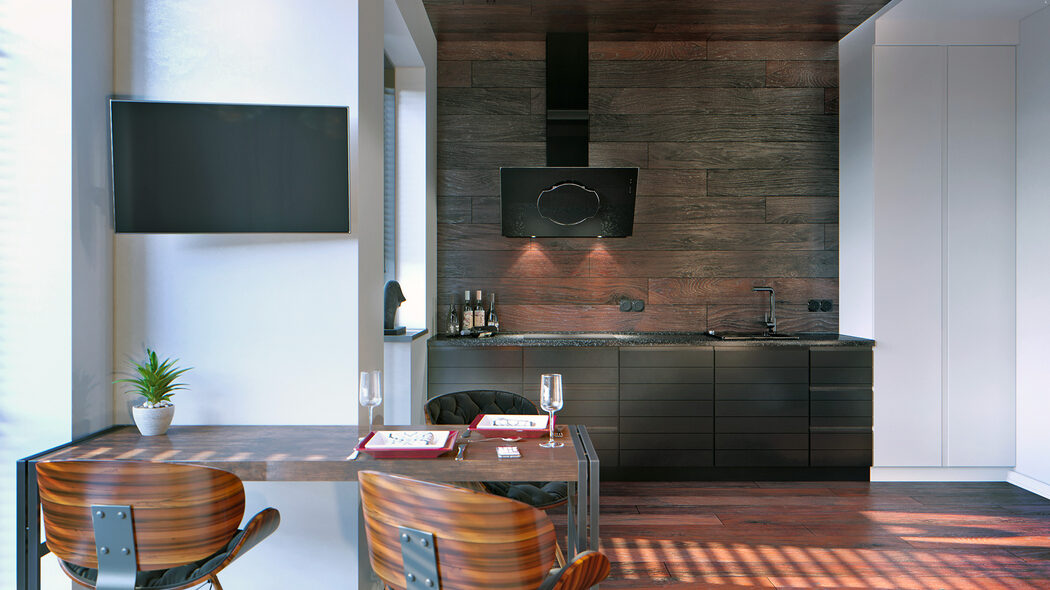
Simplify the Space for a Clearer Layout
Everything in a studio needs to be functional to create a coherent layout. Cables and installations are concealed, the television is wall-mounted and appliances are limited to what is genuinely necessary. Smooth surfaces and minimalist design reduce visual clutter and create a greater sense of order.
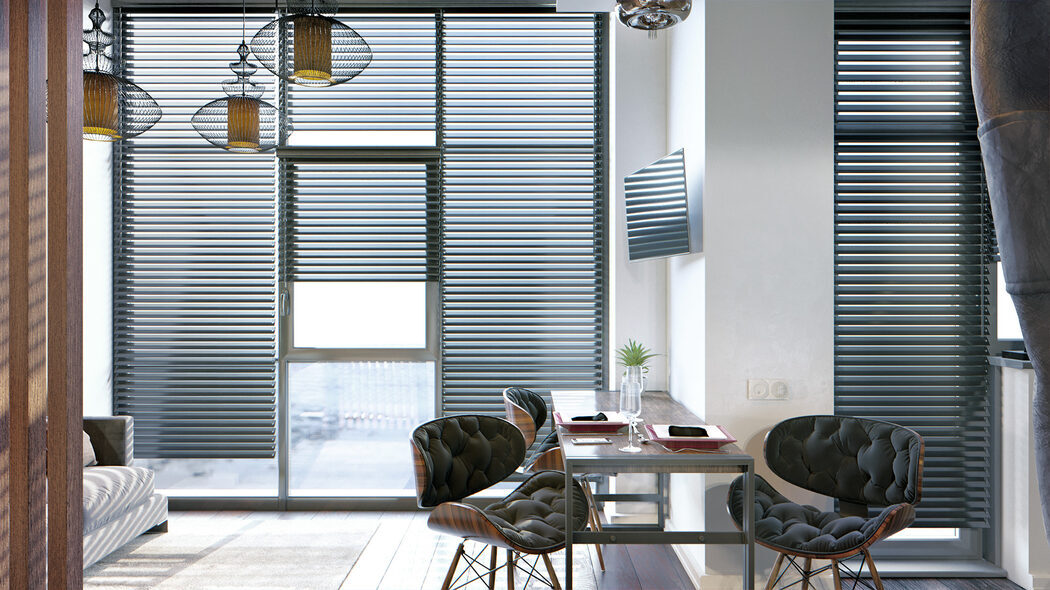
Structure the Atmosphere with Lighting and Contrast
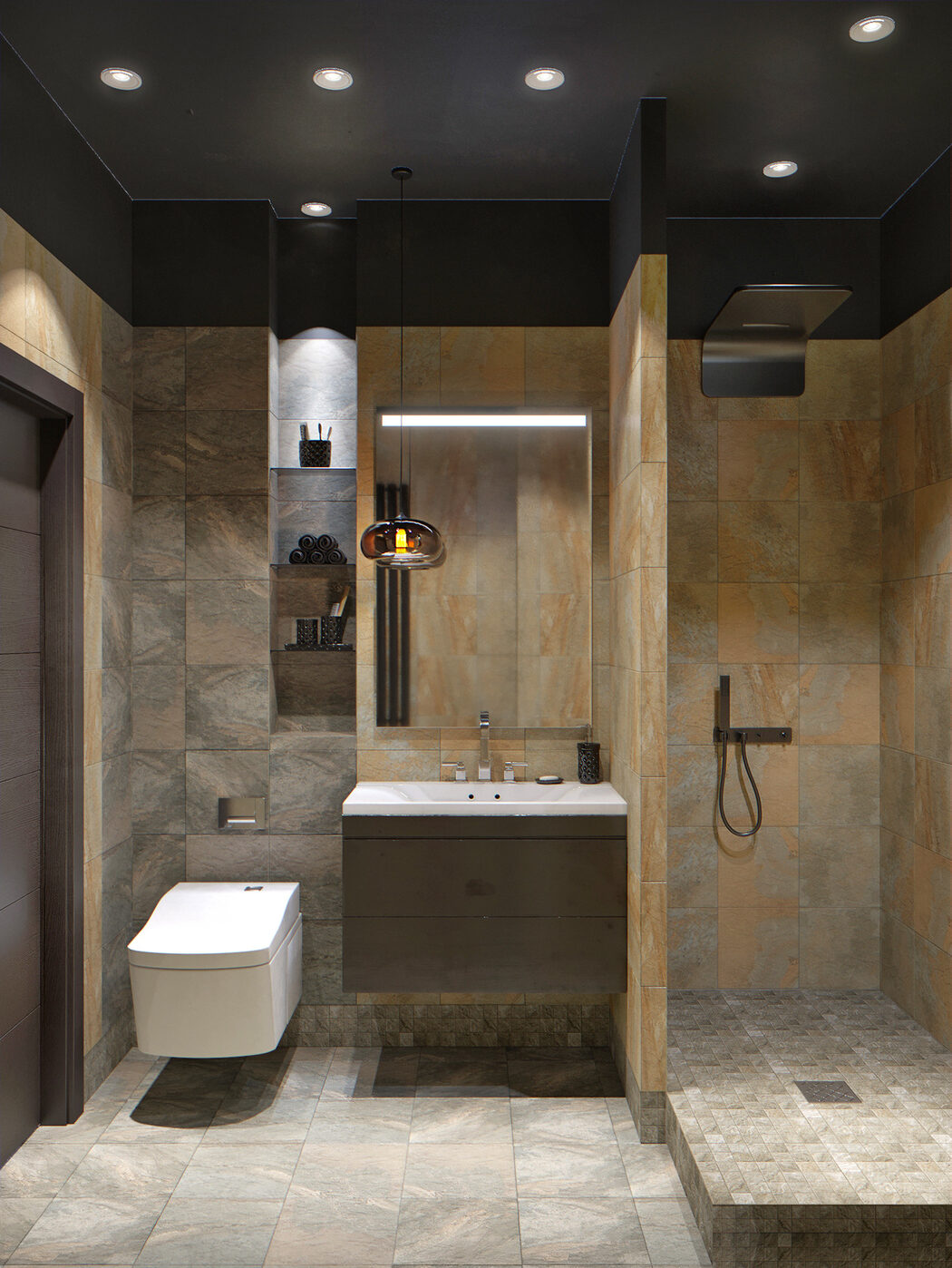
To prevent a small studio from feeling monotonous, it is important to introduce accents and varied lighting scenarios. Dark walls, mouldings painted black or even a dark ceiling can feel elegant when combined with appropriate lighting. Spotlights, tracks, pendant lights and multi-way switches can create different atmospheres throughout the day.
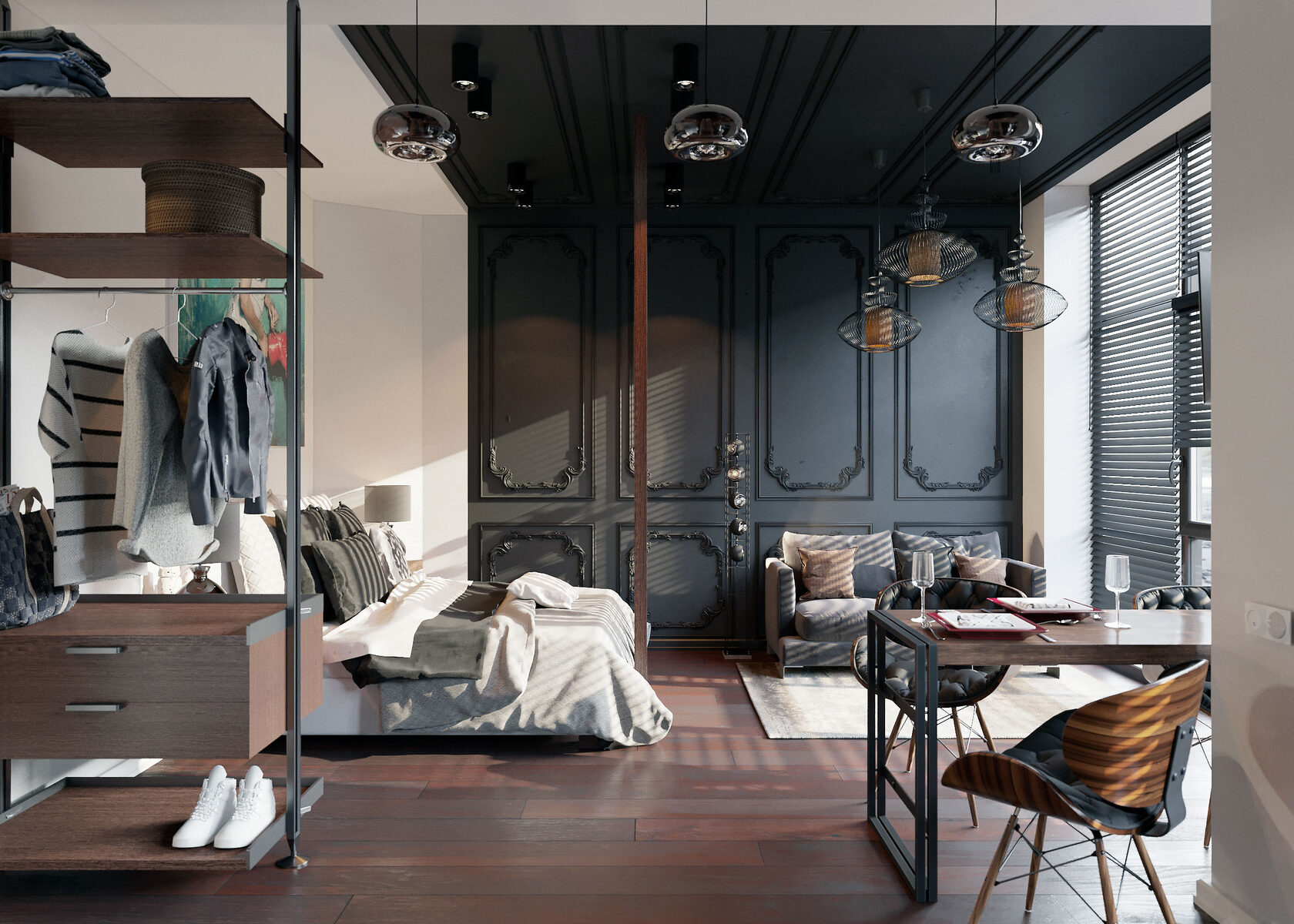
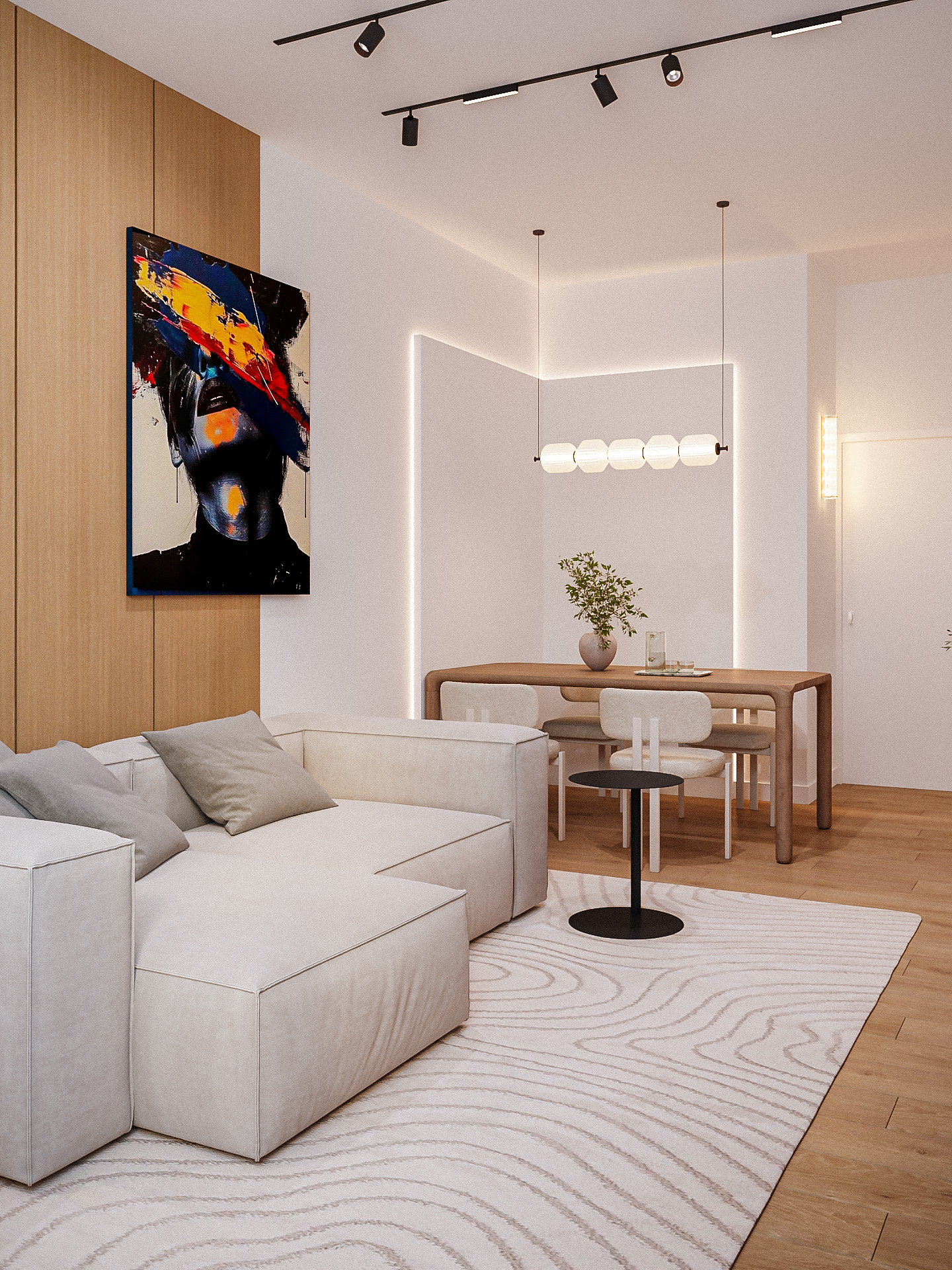
Furnishing a Studio: Finding the Right Balance
When considering how to furnish a studio, every centimetre needs to be optimised. Furniture should be practical and compact. Multifunctional pieces such as a sofa bed, folding table or stackable chairs are ideal. In some cases, custom furniture can optimise the space even further. Everything needs to be selected with great precision to preserve a feeling of space and harmony.
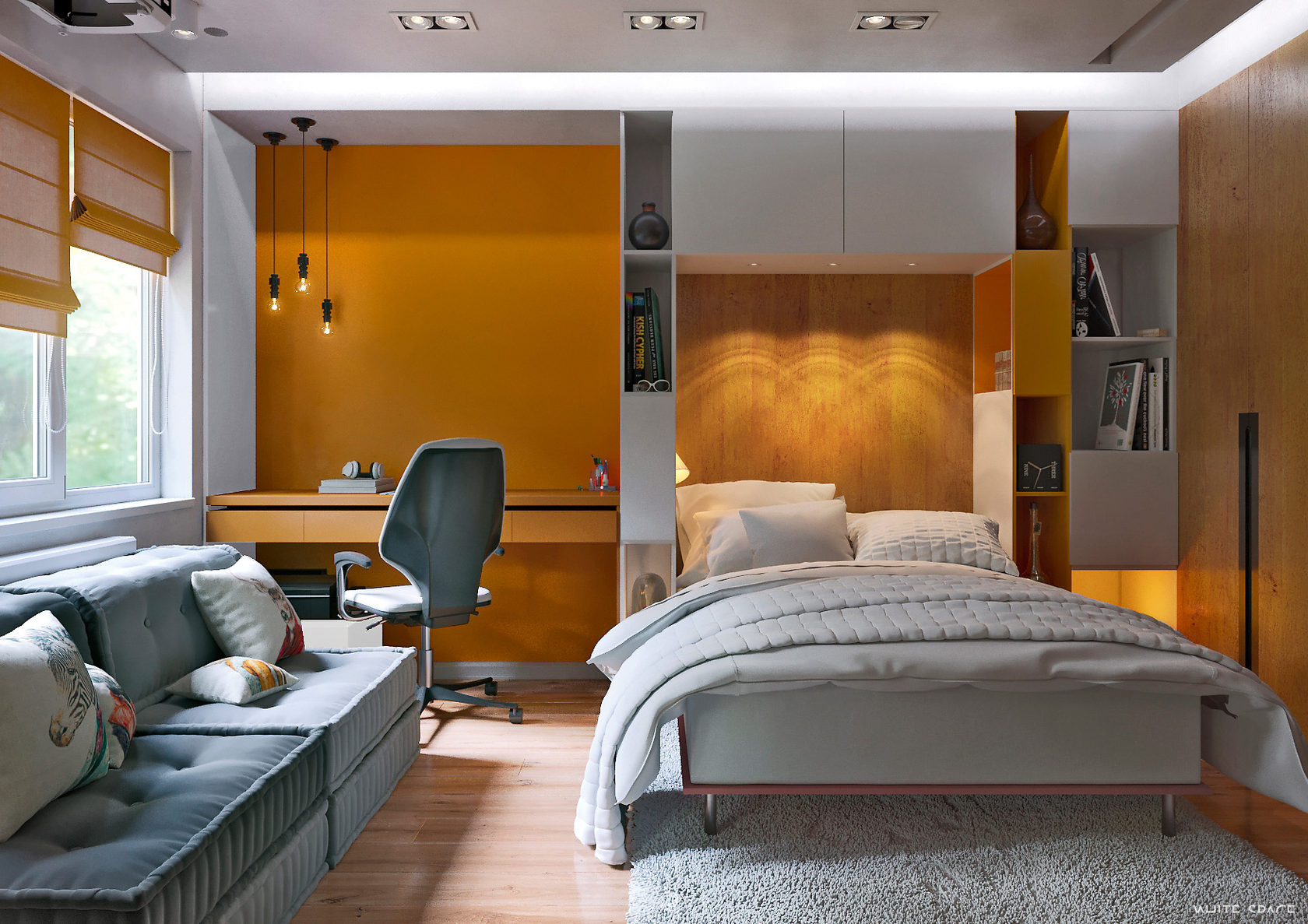
Durable Materials for an Intensively Used Space
Because a studio contains relatively few elements, it is worth prioritising higher-quality materials for a durable interior. This improves both longevity and everyday practicality: porcelain stoneware in the bathroom, resistant flooring, and quartz or natural-stone worktops.
Why Studio Design Requires Expertise
Designing a studio may seem simple, but it is actually one of the most demanding exercises in small-space planning. The limited floor area requires maximum precision: a mistake in the layout or furniture selection can compromise the comfort of the entire apartment.
An interior designer can:
In a small space, a few carefully considered centimetres can completely change how an area is used. That level of precision makes all the difference.
An interior designer can:
- find the right balance between functionality and aesthetics,
- anticipate the different ways a small space will be used,
- optimise the studio layout down to the smallest details,
- select durable and practical materials and furniture,
- create a coherent and functional interior, particularly for a rental property.
In a small space, a few carefully considered centimetres can completely change how an area is used. That level of precision makes all the difference.
April 2026